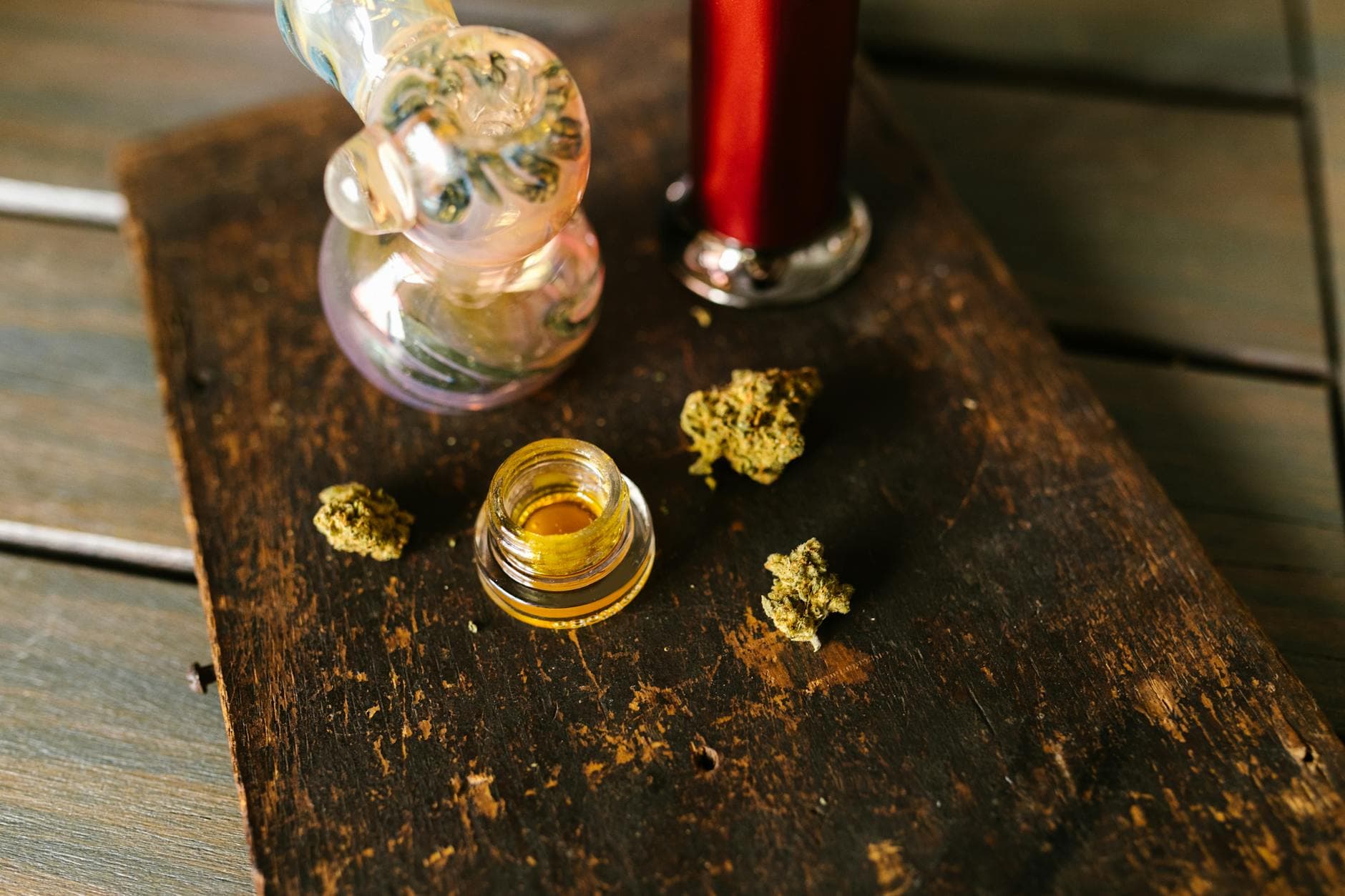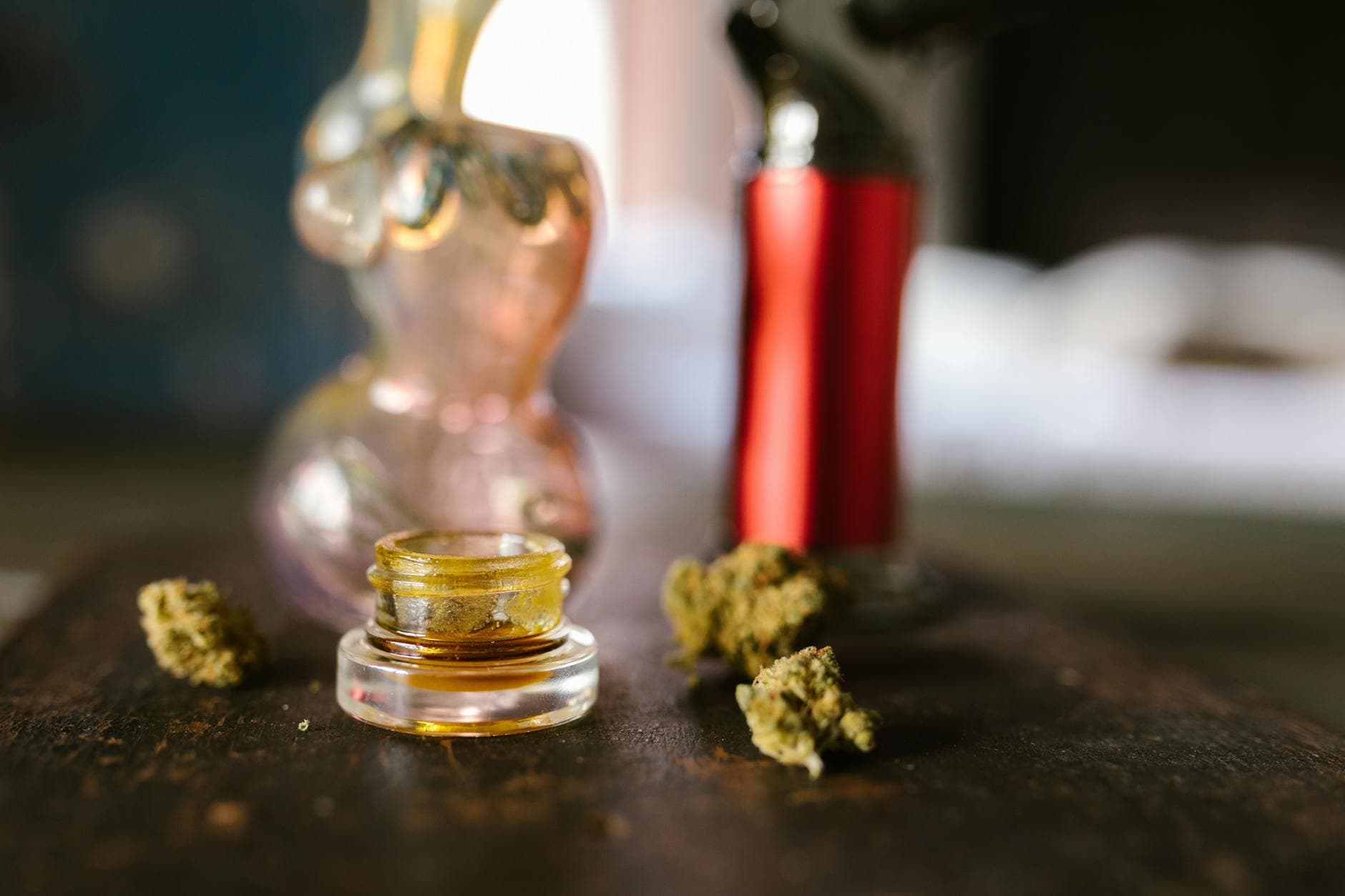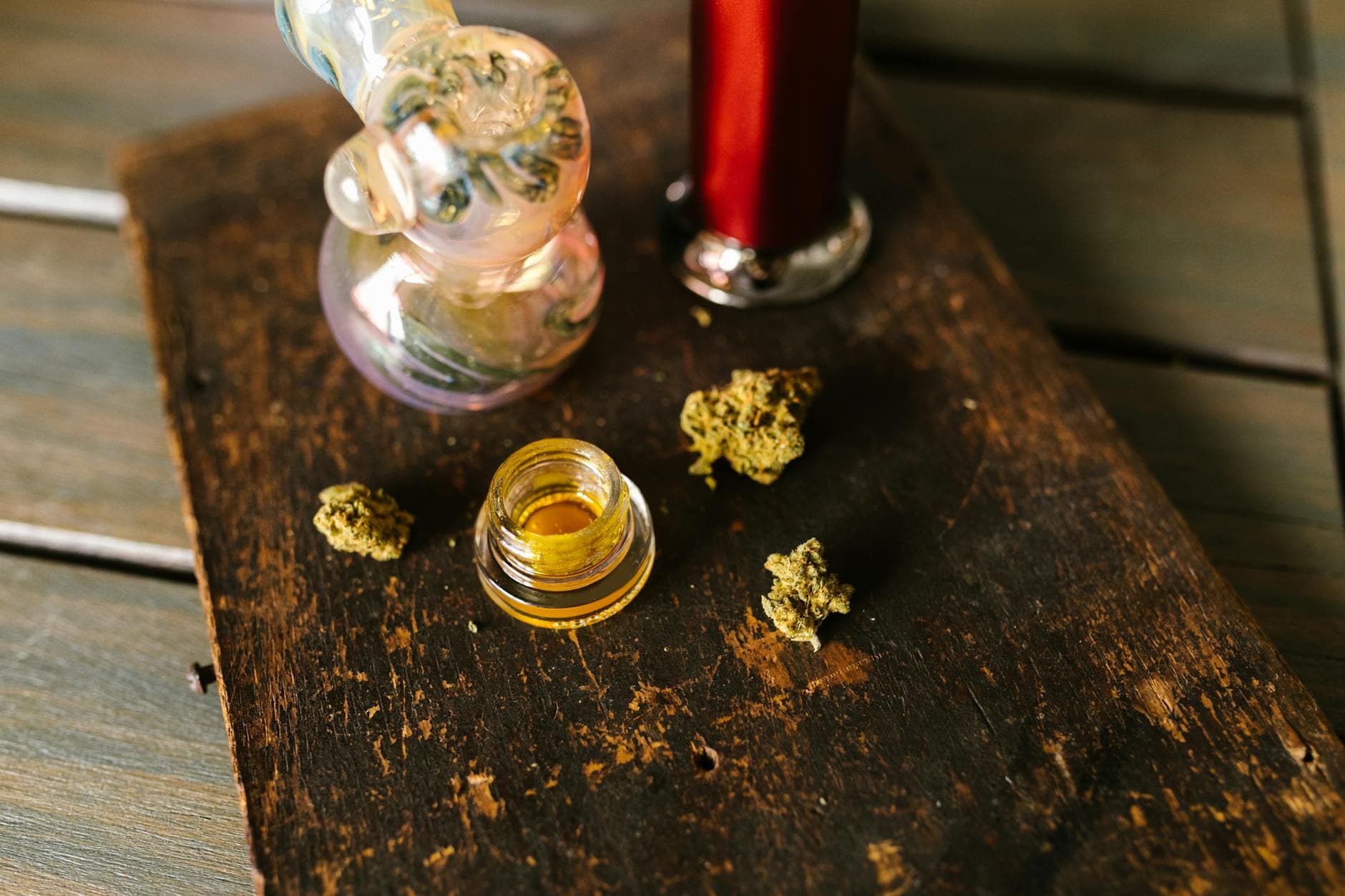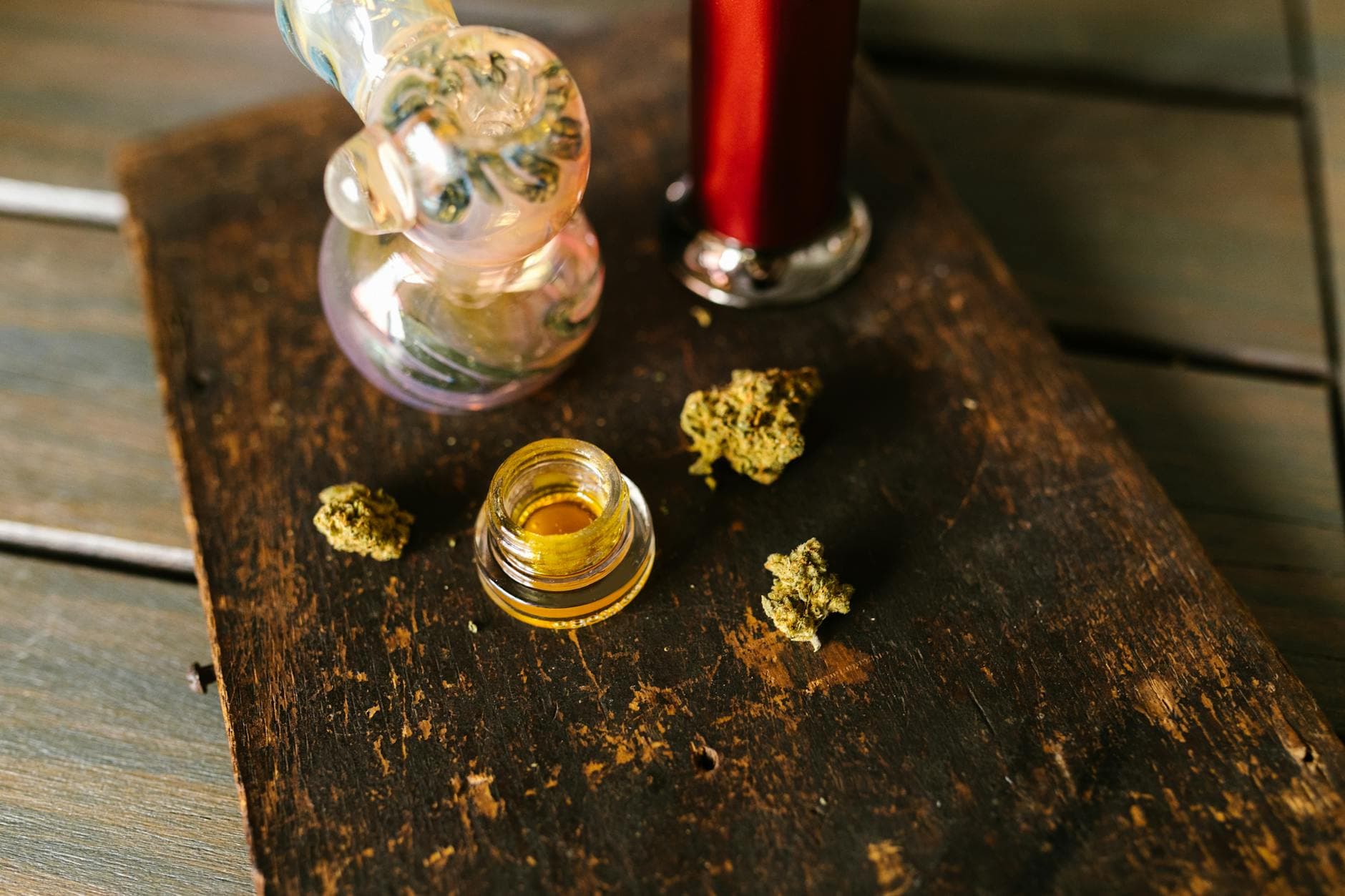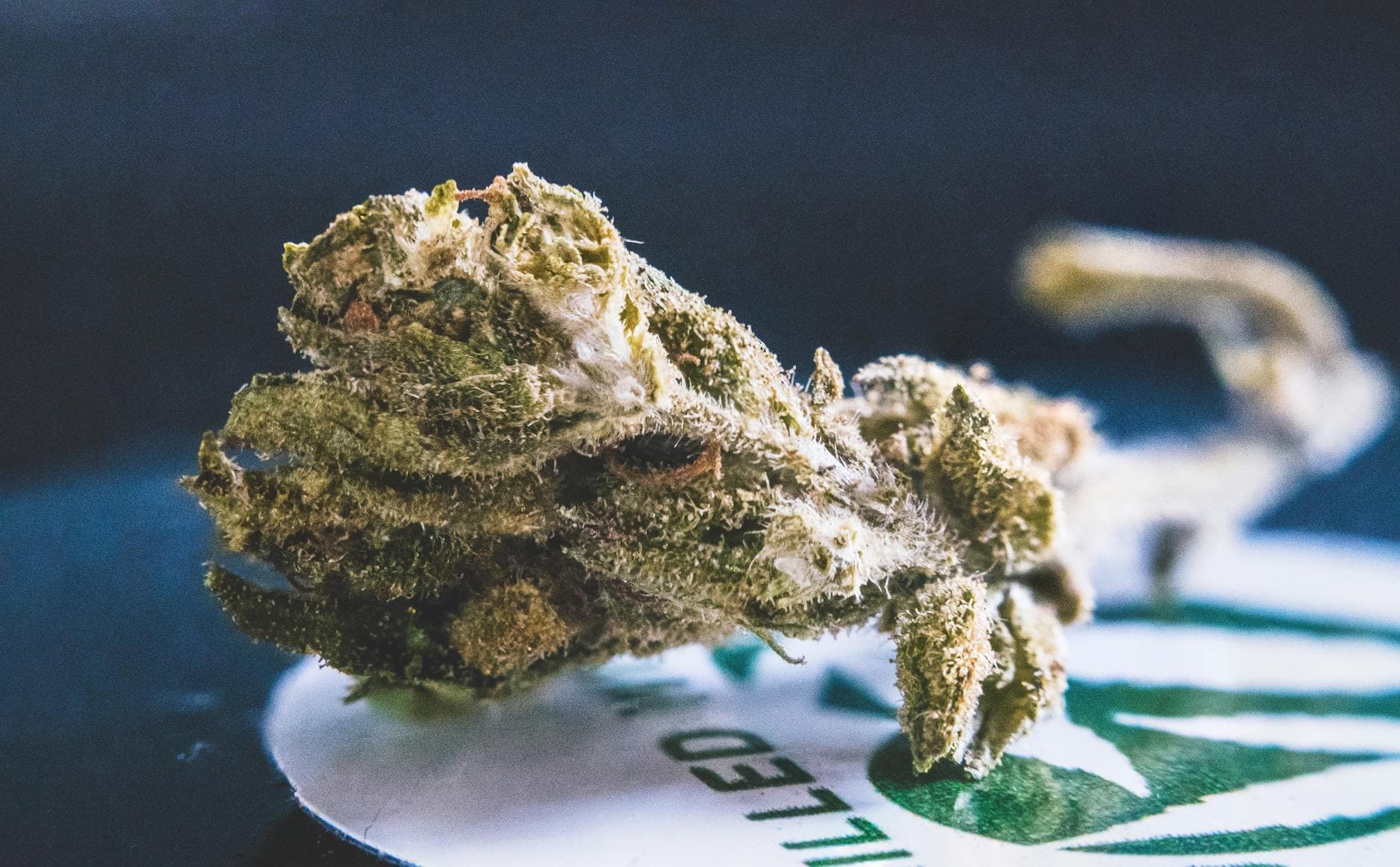


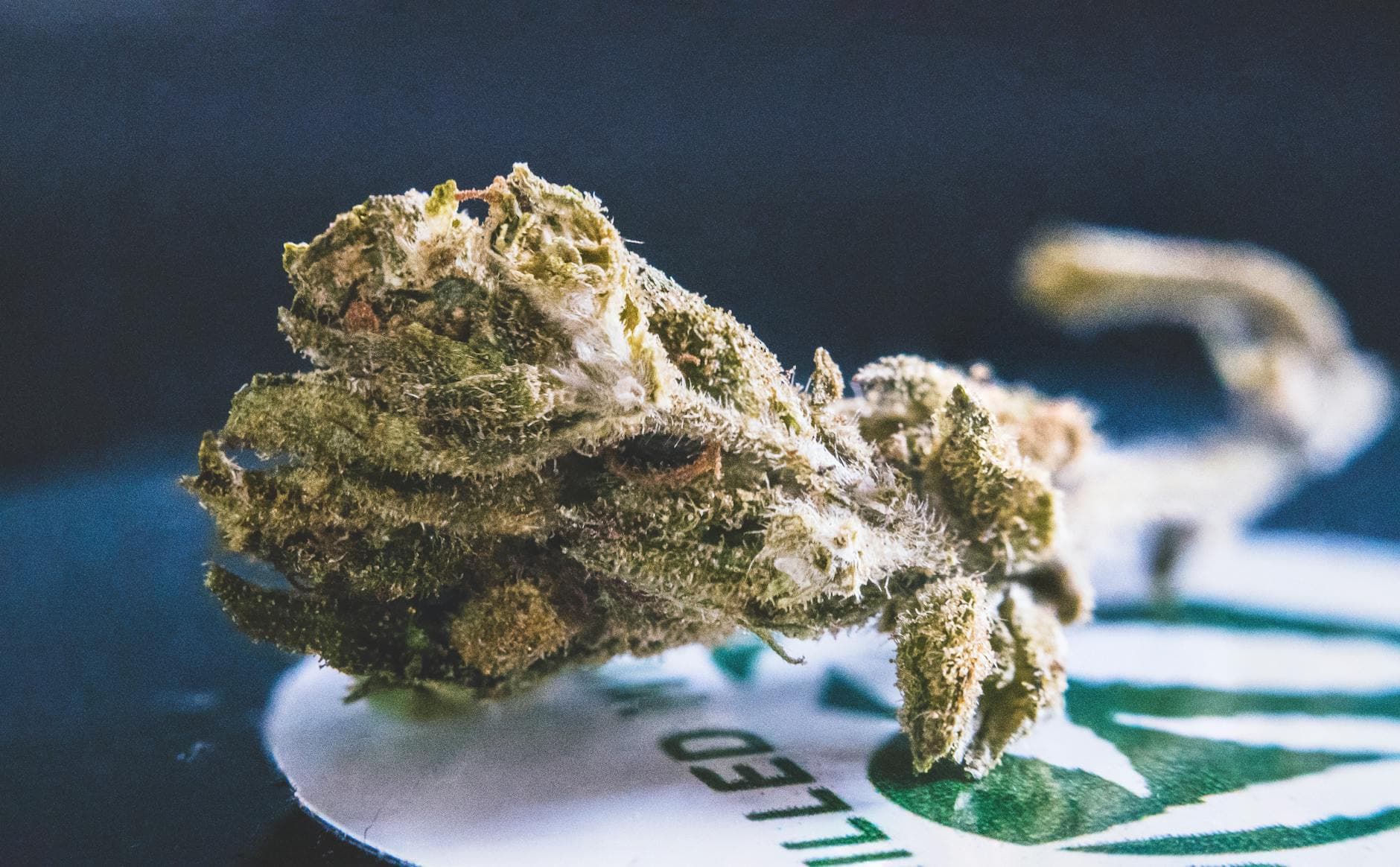
Few cannabis products carry as much mystique as temple ball hash. These dark, glossy spheres of concentrated resin have been crafted for centuries using techniques passed down through generations. If you have ever wondered about temple ball hash and how it is made, you are tapping into one of the oldest and most revered traditions in cannabis culture.
The Ancient History of Temple Ball Hash
Temple ball hash traces its roots to the Hindu Kush region spanning modern-day Nepal, India, and Afghanistan. For centuries, hashish makers in these areas collected cannabis resin by hand-rubbing live plants, rolling the sticky trichomes between their palms until dark, aromatic balls of hash formed. These temple balls were so named because they were often produced in and around Hindu and Buddhist temples, where cannabis held spiritual significance.
The charas tradition, as hand-rubbed hash is known in South Asia, was a sacred practice. Temple balls were aged for months or even years, developing deeper flavour and smoother effects over time, much like wine. When the hippie trail brought Western travellers through Nepal and Afghanistan in the 1960s and 1970s, temple ball hash gained legendary status among cannabis enthusiasts worldwide.
How Temple Ball Hash Is Made
Traditional temple balls are made through an entirely solventless process. The method is straightforward but requires patience and skill.
Fresh, resinous cannabis plants are gently rubbed by hand, allowing the sticky trichome heads to accumulate on the palms. This raw charas is then rolled and pressed repeatedly, using body heat and friction to bind the resin into a cohesive mass. The rolling process breaks open trichome heads, releasing the oils that give temple balls their characteristic dark colour and glossy sheen.
Modern producers sometimes use dry-sift or ice-water extraction to collect trichomes first, then press and roll the resulting hash into temple ball form. The pressing and aging step is what differentiates a temple ball from regular hash. Quality temple balls are aged in a cool, dark environment for weeks to months, allowing the terpenes to mature and the texture to develop that signature smooth, pliable consistency.
A properly made temple ball should be dark brown to black on the outside with a lighter, golden-brown interior. When you cut one open, the colour contrast is striking. The aroma should be complex, earthy, spicy, and slightly sweet. If you are interested in how temple balls compare to regular hash, our guide on hash vs weed covers the key differences.
How to Smoke Temple Ball Hash
Temple ball hash is versatile and can be enjoyed several ways:
In a pipe or bowl. Break or slice a small piece from the ball and place it on a bed of ground flower in a pipe. The flower helps the hash burn more evenly. Apply flame gently since hash smoulders rather than ignites like flower.
Hot knives. An old-school method where you heat two butter knife tips on a stove element, press a small piece of hash between them, and inhale the resulting smoke through a tube or bottle funnel. Effective but admittedly not the most elegant approach.
Rolled into a joint. Warm a small piece between your fingers until it is pliable, then roll it into a thin snake and lay it along the inside of a joint before rolling. This creates a slow-burning, potent smoking experience.
Dabbing. Full-melt temple ball hash can be dabbed at low temperatures. Not all temple balls are full-melt quality, so check before loading your banger.
Where to Find Quality Hash in Canada
Authentic temple ball hash is a specialty product that requires craftsmanship and quality starting material. At Creator's Choice, we carry premium hash options including traditional styles that honour the centuries-old craft. Explore our selection and experience a piece of cannabis history.