
If you've been reading cannabis labels closely, you've probably noticed two similar-looking acronyms: THC and THCA. So what is the difference between THC and THCA, and why should you care? The short answer is that THCA is the raw, non-psychoactive precursor to THC. It only becomes the compound that gets you high after heat is applied. Understanding this distinction helps you make smarter purchasing decisions and get the most out of your cannabis.
What Is the Difference Between THC and THCA?
THCA — tetrahydrocannabinolic acid — is the naturally occurring form of THC found in living and freshly harvested cannabis plants. On its own, THCA does not produce a high. It needs to go through a chemical process called decarboxylation, where heat removes a carboxyl group from the molecule, converting it into delta-9 THC. This happens when you light a joint, vaporize flower, or bake edibles.
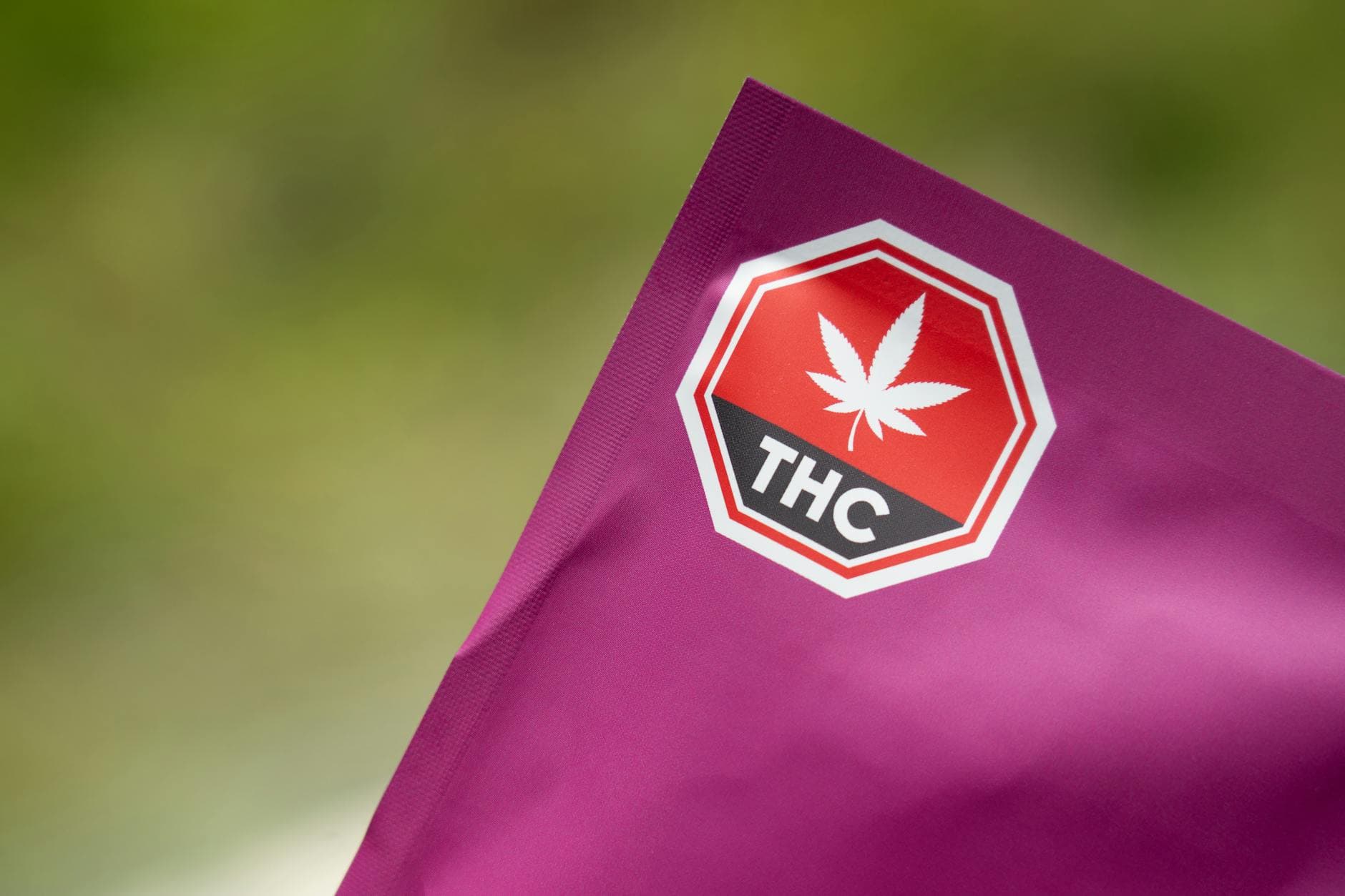
That's why the THC percentage printed on a legal cannabis package is often lower than the THCA percentage. Licensed producers in Canada are required to list both values. The "Total THC" figure is calculated using a formula: Total THC = (THCA x 0.877) + THC. The 0.877 factor accounts for the molecular weight lost during decarboxylation.
Why THCA Content Matters When You Shop
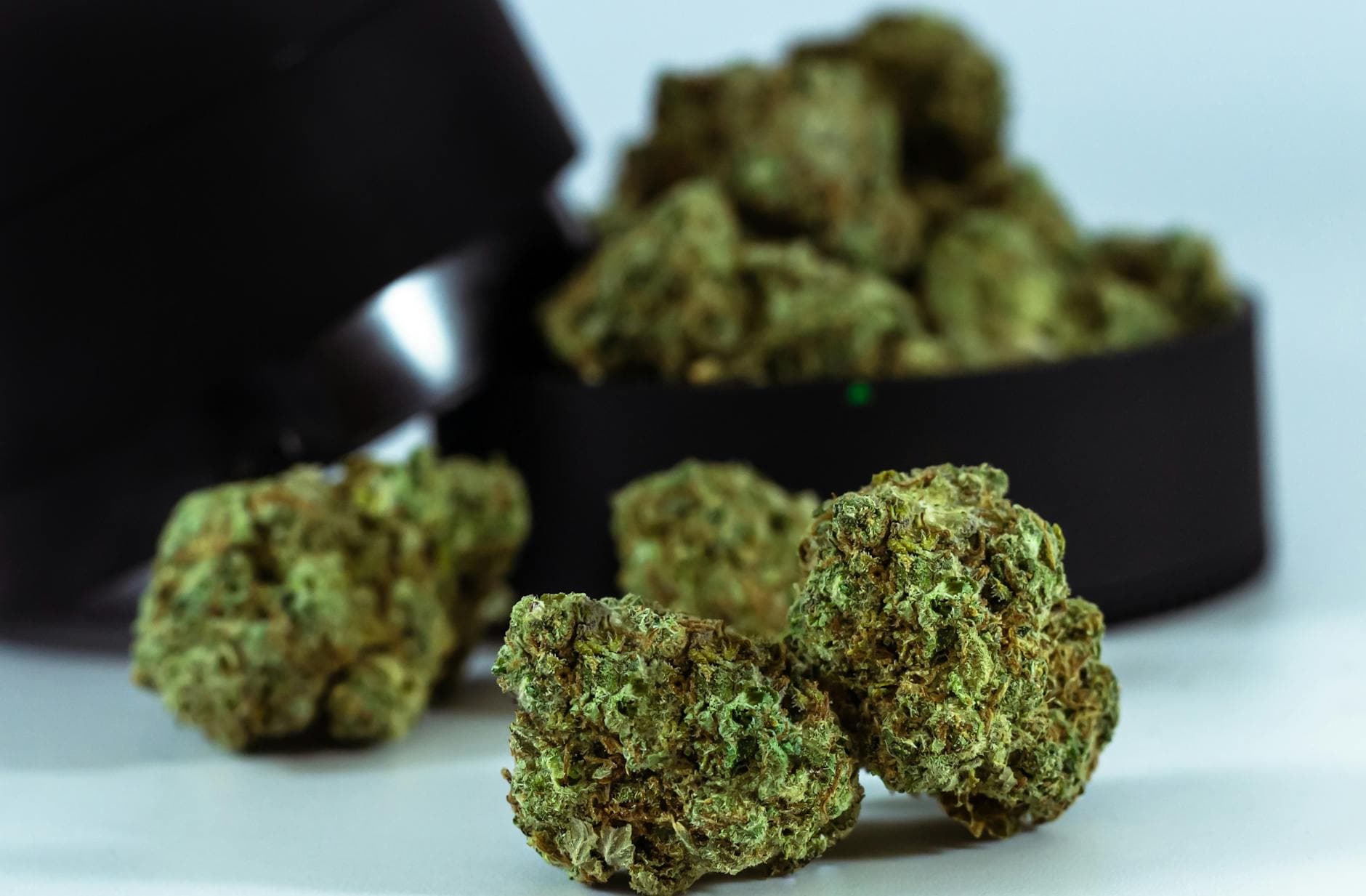
When you're comparing two products at different price points, the THCA number is usually the better indicator of potential potency. A flower listing 28% THCA and 0.5% THC will deliver roughly 25% THC once smoked — a strong product by any measure.
However, potency isn't everything. Terpene profiles, growing methods, and cure quality all affect the overall experience. A strain with 20% THCA and a rich terpene profile can feel more enjoyable than a 30% THCA flower that was rushed to market. If you'd like to understand how terpenes shape your high, our guide on the entourage effect explains the science behind it.
Does THCA Have Its Own Benefits?
Emerging research suggests THCA may have its own therapeutic properties, separate from THC. Some studies point to anti-inflammatory and neuroprotective effects, though clinical evidence in humans is still limited. This has led to growing interest in raw cannabis juicing and THCA tinctures among wellness-focused consumers.
In Canada, you'll sometimes find products marketed as "THCA diamonds" or "THCA crystalline" in the concentrates category. These are nearly pure THCA in crystal form. When dabbed or vaporized, they convert instantly to THC and deliver an extremely potent hit. When consumed without heat — mixed into a smoothie, for example — they provide THCA without the high.
Practical Takeaways for Buying Cannabis
Here's how to put this knowledge to use:
- Smoking or vaping? Focus on the THCA number. It converts to THC the moment you apply heat.
- Making edibles? You need to decarboxylate your flower first. Our decarboxylation guide walks through the exact temperatures and timing.
- Looking for non-psychoactive benefits? Seek out raw THCA products and consume them without heat.
- Reading labels? "Total THC" is your best single number for comparing potency across products.
Whether you're chasing potency or exploring the wellness side of cannabis, understanding the THC-THCA relationship puts you ahead of most consumers. Browse our flower collection to find strains with the cannabinoid profiles that match your goals — every product page lists full potency details so you know exactly what you're getting.